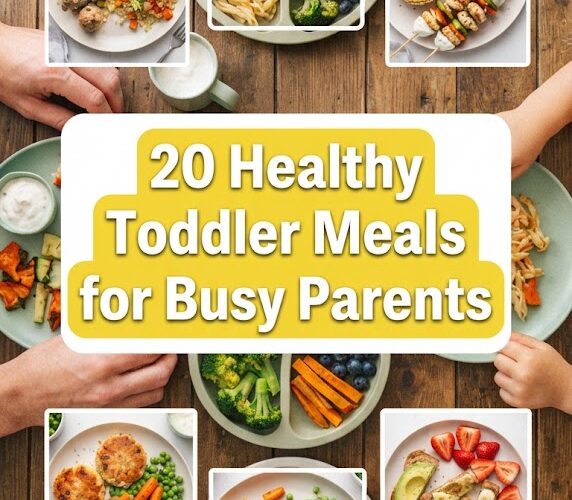
Feeding a toddler can feel like a full-time job. One day your little one may happily eat vegetables, eggs, and chicken, and the next day they may refuse everything except crackers or fruit. For busy parents, the challenge becomes even harder when you need meals that are healthy, quick, affordable, toddler-friendly, and easy to prepare.
The good news is that healthy toddler meals do not have to be complicated. A balanced toddler plate can be built from simple foods such as whole grains, fruits, vegetables, protein foods, dairy, and healthy fats. The CDC recommends offering young children a variety of nutrient-dense foods and allowing them to become familiar with different tastes and textures.
This collection of 20 healthy toddler meals for busy parents is designed for real family life. These ideas work well for breakfast, lunch, dinner, or even a quick toddler lunch when you have only a few minutes to get food on the table.
Why Healthy Toddler Meals Matter
The toddler years are an important time for developing eating habits. Children between 1 and 2 years are learning to participate in family meals, explore new flavors, practice using utensils, and become more independent with food. By around age 2, many children can eat most of the same foods as the rest of the family, provided those foods are prepared safely and appropriately for their developmental stage.
Healthy toddler meals should provide variety rather than focusing on one “perfect” food. A simple meal might combine:
- A whole grain
- A protein source
- A fruit or vegetable
- Dairy or a suitable fortified alternative
- A source of healthy fat
You do not need to make every plate perfect. Instead, look at your child’s overall eating pattern across the day and week.
The American Academy of Pediatrics notes that toddlers can eat three healthy meals a day along with one or two snacks, while the CDC notes that young children may have about three meals and two to three snacks daily. Appetite can vary significantly from day to day, which is normal.
1. Banana Oatmeal With Peanut Butter
Banana oatmeal is one of the easiest healthy toddler breakfasts. It requires only a few ingredients and can be prepared in minutes.
Cook plain oats until soft, then stir in mashed banana. Add a small amount of smooth peanut butter for flavor and healthy fats. You can also add cinnamon for extra flavor without relying on added sugar.
Simple ingredients:
- Rolled oats
- Banana
- Smooth peanut butter
- Milk or water
- Cinnamon
For younger toddlers, make sure the oatmeal has a soft consistency and that peanut butter is incorporated smoothly rather than served as a thick spoonful.
This breakfast provides whole grains, fruit, protein, and healthy fat in one easy bowl.
Busy-parent tip: Make several servings of oatmeal ahead of time and refrigerate them. Add fresh banana and peanut butter when serving.
2. Mini Egg and Cheese Muffins
Egg muffins are excellent for busy mornings because they can be prepared ahead of time.
Whisk eggs with finely chopped vegetables such as spinach, zucchini, or bell pepper. Add a little shredded cheese and bake the mixture in small muffin cups until fully cooked.
Cut the muffins into toddler-friendly pieces before serving.
Try adding:
- Eggs
- Spinach
- Shredded cheese
- Zucchini
- Finely diced bell pepper
Eggs provide protein, while vegetables add color, texture, and important nutrients.
These mini muffins can be served with sliced banana, soft berries, or whole-grain toast for a more complete breakfast.
3. Turkey and Avocado Roll-Ups
When you need a quick toddler lunch, turkey and avocado roll-ups are an easy option.
Spread mashed avocado over a soft whole-grain tortilla. Add thinly sliced turkey and a small amount of cheese. Roll everything tightly and cut into small pieces.
Serve with soft fruit or cooked vegetables.
Easy combination:
- Whole-grain tortilla
- Turkey
- Avocado
- Cheese
- Soft fruit
Choose lower-sodium turkey when possible. Toddlers do not need heavily processed foods at every meal.
This meal is particularly useful for parents who need a portable lunch for daycare, preschool, or a family outing.
4. Sweet Potato and Chicken Bowl
A simple chicken and sweet potato bowl can become a nutritious family dinner.
Bake or steam sweet potato until very soft. Add small pieces of fully cooked chicken and a soft vegetable such as peas or broccoli.
You can mash the sweet potato slightly to make it easier for a younger toddler to eat.
Ingredients:
- Sweet potato
- Fully cooked chicken
- Peas or broccoli
- Olive oil
- Mild herbs
Avoid making the toddler portion overly salty or spicy.
This meal combines protein, vegetables, carbohydrates, and healthy fat while requiring very little complicated preparation.
5. Whole-Grain Pasta With Hidden Veggies
Pasta is often a toddler favorite, making it a useful way to introduce vegetables.
Cook whole-grain pasta until appropriately soft. Toss it with a simple tomato sauce containing finely chopped or blended vegetables.
Carrots, zucchini, spinach, and bell peppers can work well in a homemade sauce.
Add shredded chicken, beans, or small pieces of cooked turkey for additional protein.
Quick meal formula:
Whole-grain pasta + vegetable-rich sauce + protein + fruit.
If your toddler refuses vegetables when they are visible, blending them into the sauce can make the meal more familiar while still allowing your child to experience different flavors.
6. Greek Yogurt Berry Bowl
For an extremely quick breakfast or snack-style meal, combine plain Greek yogurt with soft berries and finely ground oats.
You can mash the berries slightly if needed.
Ingredients:
- Plain Greek yogurt
- Strawberries or blueberries
- Oats
- Banana
- Cinnamon
Choose plain yogurt without added sugar when possible. The CDC recommends dairy foods without added sugars as part of a varied diet for young children.
For younger toddlers, berries should be prepared in a safe size and consistency appropriate for the child’s development.
This is one of the best options for mornings when you do not have time to cook.
7. Toddler-Friendly Chicken Quesadilla
A simple chicken quesadilla can turn leftover dinner into tomorrow’s lunch.
Place shredded cooked chicken and a small amount of cheese inside a soft whole-grain tortilla. Warm it until the cheese melts, then cut it into small strips or pieces.
Serve with:
- Avocado
- Soft tomato
- Mashed beans
- Banana
- Steamed vegetables
Keep seasonings mild for toddlers.
This meal is inexpensive, fast, and easy to customize according to what your child already likes.
8. Peanut Butter Banana Toast
Peanut butter banana toast is a simple breakfast for toddlers who enjoy familiar foods.
Spread a thin layer of smooth peanut butter over whole-grain toast and top with thinly sliced or mashed banana.
Cut the toast into manageable pieces.
For extra variety, try:
- Cinnamon
- Mashed strawberries
- Plain yogurt on the side
- Soft pear slices
Nut butters can be part of a toddler’s diet, but parents should serve them in an age-appropriate form and be aware of choking risks. The CDC specifically emphasizes preparing foods according to a child’s developmental eating skills.
9. Easy Veggie Fried Rice
Fried rice can be transformed into a toddler-friendly meal by using cooked rice, egg, peas, carrots, and small pieces of chicken.
Use minimal oil and keep sodium low.
Ingredients:
- Cooked rice
- Egg
- Peas
- Finely chopped carrots
- Cooked chicken
- Small amount of low-sodium seasoning
Cook everything thoroughly and allow it to cool before serving.
This meal is particularly useful for using leftovers. Instead of preparing a completely new dinner, you can combine foods already available in the refrigerator.
10. Mini Turkey Meatballs With Pasta
Homemade turkey meatballs are freezer-friendly and can save busy parents considerable time.
Mix ground turkey with oats, egg, and finely grated zucchini or carrot. Form small meatballs and cook thoroughly.
Serve with:
- Whole-grain pasta
- Tomato sauce
- Soft cooked vegetables
Make the meatballs small enough to be safely served according to your child’s developmental stage, and cut or crumble them as appropriate.
Freeze extra portions for quick future meals.
11. Avocado Egg Toast
Avocado egg toast is another fast breakfast or lunch option.
Mash ripe avocado onto soft whole-grain toast and add finely chopped, fully cooked egg.
You can serve it with soft fruit such as banana, pear, or berries.
The combination is filling without requiring complicated cooking.
Time-saving idea: Hard-boil several eggs in advance and keep them refrigerated according to food-safety guidelines. Then breakfast can be assembled in minutes.
12. Cheesy Broccoli Rice
Some toddlers are hesitant about broccoli, but pairing it with a familiar food can make it easier to accept.
Cook rice until soft and mix it with finely chopped cooked broccoli and a small amount of shredded cheese.
Add shredded chicken or beans if you want more protein.
This meal can be served as a side dish or made into a complete toddler dinner.
The CDC recommends repeatedly offering foods children may initially reject. Some children need multiple exposures before becoming willing to try a new food.
13. Banana Berry Smoothie Bowl
A smoothie bowl can be a fun breakfast, especially for toddlers who enjoy fruit.
Blend banana, berries, plain yogurt, and milk or a suitable fortified alternative until smooth.
Pour into a bowl and add soft toppings such as mashed fruit or finely ground oats.
Do not turn every smoothie into a dessert. Keep the focus on naturally nutritious ingredients and avoid unnecessary added sugar.
For younger children, discuss appropriate serving textures and ingredients with your pediatrician, especially if your child has allergies or feeding difficulties.
14. Salmon and Sweet Potato Patties
Salmon patties can provide protein and healthy fats while introducing toddlers to fish.
Combine cooked, deboned salmon with mashed sweet potato and a small amount of oats. Form small patties and cook thoroughly.
Always check carefully for bones before serving fish to a young child.
Serve with soft peas, avocado, or steamed carrots.
Fish can add useful variety to a toddler’s protein choices. The CDC lists fish among protein foods that can be offered when prepared in soft, small pieces appropriate for a child’s eating skills.
15. Hummus and Veggie Pita Plate
For a no-fuss lunch, serve a toddler-sized plate containing hummus, soft pita pieces, avocado, and cooked vegetables.
Try:
- Hummus
- Soft pita
- Avocado
- Steamed carrots
- Soft cucumber pieces when appropriate
- Banana or pear
This meal lets toddlers explore different textures while giving parents flexibility.
If your child does not like hummus, try offering it separately rather than mixing it with everything else.
16. Chicken and Vegetable Soup
Soup is an excellent make-ahead meal for busy families.
Combine cooked chicken with soft vegetables such as carrots, potatoes, peas, and zucchini. Add rice or small pasta for extra carbohydrates.
Cook until the vegetables are very soft.
Allow the soup to cool before serving and adjust the texture for your toddler.
Meal-prep tip: Make a family-sized batch and refrigerate or freeze toddler-safe portions.
Soup can also be a useful way to use leftover vegetables rather than throwing them away.
17. Apple Cinnamon Oat Pancakes
These simple pancakes are great for breakfast or even dinner.
Combine oats, mashed banana, egg, finely grated apple, and cinnamon. Cook small pancakes until fully done.
Serve with plain yogurt and soft fruit instead of syrup.
Toddlers often enjoy foods they can pick up themselves, and small pancakes can encourage independent eating.
The CDC notes that children develop different feeding skills as they grow, including finger feeding and using spoons and forks.
18. Bean and Cheese Taco Bowl
You do not need to prepare traditional tacos to give your toddler taco-inspired flavors.
Combine soft black beans, cooked rice, avocado, corn, and a small amount of shredded cheese.
Mash or chop ingredients to the appropriate texture.
For older toddlers, you can serve the components separately so they can choose what they want to eat.
This is especially useful for picky eaters because foods can remain separated instead of being mixed together.
19. Turkey, Cheese, and Fruit Snack Plate
A snack plate can become a complete toddler meal when you combine several food groups.
Create a small plate with:
- Turkey
- Cheese
- Whole-grain crackers
- Soft fruit
- Avocado
- Cooked vegetables
This meal requires almost no cooking.
It is also ideal for days when your toddler wants to eat several small foods instead of sitting down for a large traditional meal.
The key is offering nutritious options rather than relying exclusively on crackers, cookies, or processed snacks.
20. Easy Chicken Noodle Bowl
For a comforting family dinner, prepare a simple chicken noodle bowl with soft noodles, shredded chicken, carrots, peas, and a mild broth.
Cook the ingredients until tender and serve at a safe temperature.
Cut or modify ingredients according to your toddler’s age and eating abilities.
This is a great recipe to make in a large pot because parents can enjoy the same meal while adjusting the toddler’s portion before adding extra salt or stronger seasonings.
How to Make Healthy Toddler Meals Easier
The biggest challenge for busy parents is often not knowing what healthy foods to serve. It is finding the time to prepare them.
A little meal planning can make a significant difference.
1. Prepare Ingredients Ahead of Time
You do not need to cook complete meals every Sunday. Instead, prepare a few basic ingredients.
For example:
- Cook a batch of brown or white rice.
- Roast sweet potatoes.
- Wash and cut appropriate fruits.
- Cook chicken.
- Hard-boil eggs.
- Steam vegetables.
- Prepare oatmeal.
- Portion yogurt.
Then combine these ingredients throughout the week.
One batch of chicken can become quesadillas, pasta, rice bowls, and soup.
2. Use the Same Ingredients for the Whole Family
You do not necessarily need to prepare a separate toddler meal.
The CDC notes that once children are around 12 months and older, they can increasingly eat foods eaten by the family, with appropriate preparation.
For example, if your family is having chicken, rice, and vegetables, serve your toddler the same foods in an appropriate size and texture.
This can reduce cooking time and make family meals easier.
3. Keep Emergency Foods Available
Every parent has those days when cooking simply does not happen.
Keep quick nutritious foods available, such as:
- Bananas
- Avocados
- Plain yogurt
- Eggs
- Whole-grain bread
- Frozen vegetables
- Frozen fruit
- Canned low-sodium beans
- Pre-cooked chicken
- Oats
- Whole-grain pasta
These foods can become a meal in minutes.
4. Do Not Pressure a Picky Toddler
Picky eating is common during toddlerhood.
A child may suddenly reject foods they previously loved, dislike foods touching on their plate, or eat only a few preferred foods. The CDC says these behaviors can be normal and may improve as children grow.
Instead of forcing your toddler to eat, offer a familiar food alongside a less familiar food.
For example:
Familiar: Banana
New: Cooked broccoli
Or:
Familiar: Pasta
New: Chicken
This gives your child a safe option while providing an opportunity to explore something new.
5. Offer Variety Without Creating Pressure
Children may need to see a new food many times before they accept it. The CDC notes that some young children may need around 8 to 10 exposures before trying a new food.
If your toddler refuses broccoli today, that does not mean broccoli is permanently off the menu.
Try it again another day.
The goal is exposure, not forcing a clean plate.
A Simple Toddler Meal Formula
When you are unsure what to serve, use this simple formula:
Protein + Grain/Starch + Fruit or Vegetable + Healthy Fat
For example:
Chicken + rice + peas + avocado
Or:
Egg + toast + berries + yogurt
Or:
Beans + sweet potato + broccoli + cheese
This approach makes healthy toddler meals much easier to plan.
You can also create a weekly rotation:
Monday: Chicken and rice
Tuesday: Pasta and vegetables
Wednesday: Egg and avocado toast
Thursday: Turkey quesadilla
Friday: Salmon and sweet potato
Saturday: Homemade meatballs
Sunday: Chicken noodle soup
Repeat favorite meals while gradually introducing new foods.
Toddler Portion Sizes and Appetite
One common mistake parents make is expecting toddlers to eat adult-sized portions.
Toddlers have small stomachs, and their appetite can change from one meal to the next. The American Academy of Pediatrics recommends focusing on the child’s overall eating pattern rather than becoming overly concerned about the amount eaten at one particular meal.
Start with small portions.
Your child can ask for more if hungry.
The CDC also recommends allowing children to decide how much they eat and watching for signs of hunger and fullness rather than requiring them to finish everything on the plate.
Toddler Drinks: Keep It Simple
For children 12 months and older, plain water and appropriate milk are common beverage choices. The CDC recommends avoiding sugary drinks and choosing water and unsweetened beverages.
If serving milk alternatives, choose an unsweetened, fortified option appropriate for your child’s age and dietary needs.
Parents should also consider their child’s individual nutritional needs, allergies, growth, and medical history.
Toddler Food Safety Is Essential
Healthy toddler meals also need to be prepared safely.
Young children are at risk of choking, so foods should be prepared according to their developmental eating skills. The CDC emphasizes using appropriate food size, texture, and consistency and supervising children while they eat.
Avoid serving toddlers foods in forms that can pose choking hazards. Foods such as grapes, nuts, chunks of meat, and certain raw vegetables may require modification.
Always have your child seated safely while eating, remain nearby, and follow guidance from your pediatrician regarding foods and textures.
Final Thoughts
Healthy toddler meals do not need to be expensive, complicated, or time-consuming.
With a few basic ingredients, you can create dozens of nutritious combinations that your toddler can enjoy. The key is variety, simplicity, patience, and age-appropriate preparation.
These 20 healthy toddler meals for busy parents give you practical ideas for breakfasts, lunches, dinners, and quick family meals. From banana oatmeal and egg muffins to chicken quesadillas, sweet potato bowls, veggie pasta, salmon patties, and easy noodle soup, there are plenty of options to keep your toddler’s menu interesting.
Remember that toddlers are still learning how to eat. Some days they may eat a lot, while other days they may eat very little. Some foods may be rejected repeatedly before they are accepted. Creating a relaxed mealtime environment and continuing to offer a variety of nutritious foods can help children develop a positive relationship with food.
The best toddler meals are the ones that work for your real life. Start with simple ingredients, prepare a few foods ahead of time, serve family meals whenever possible, and let your child gradually explore new tastes and textures.