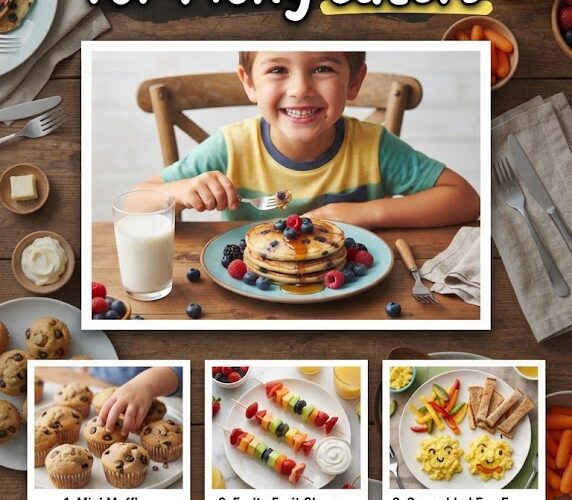
Finding a breakfast that a picky eater will actually eat can feel like a daily challenge. One morning, your child may happily eat toast, while the next morning that same toast suddenly becomes “yucky.” This is completely familiar territory for many parents. The good news is that breakfast does not have to be complicated to be nutritious, filling, or appealing to kids.
These 15 easy breakfast meals for picky eaters are designed around familiar flavors, simple textures, and ingredients that can be customized. From banana pancakes and cheesy egg toast to yogurt parfaits and breakfast quesadillas, these ideas make it easier to serve something your child recognizes while gently introducing fruits, whole grains, protein, and other nutritious foods.
Picky eating is common during childhood, and the American Academy of Pediatrics recommends offering healthy choices without pressuring children to eat. It can also take repeated exposure before a child accepts a new food.
The goal is not to create a “perfect” breakfast every morning. Instead, focus on creating positive mealtimes and offering a combination of familiar foods and small opportunities to explore something new.
Why Breakfast Can Be Difficult for Picky Eaters
Breakfast happens at one of the busiest times of the day. Parents are getting ready for work, children are preparing for school, and everyone seems to be rushing out the door. When a child refuses breakfast, it can turn an already hectic morning into a stressful situation.
Picky eaters often have strong preferences about flavor, texture, temperature, appearance, or how foods are served. Some children prefer crunchy foods, while others want soft foods. Some may eat eggs only if they are scrambled, while others refuse eggs completely.
Instead of trying to force a child to eat a particular food, it can be helpful to offer at least one familiar food alongside another nutritious option. The American Academy of Pediatrics recommends allowing children to decide what and how much they eat from the foods offered while parents provide appropriate choices.
These breakfast recipes follow that philosophy. They are flexible enough to adapt to your child’s preferences.
1. Banana Pancakes
Banana pancakes are one of the easiest breakfast ideas for picky eaters because they taste naturally sweet and have a soft, familiar texture.
Ingredients
- 1 ripe banana
- 1 egg
- ½ cup whole-wheat or all-purpose flour
- ¼ teaspoon cinnamon
- A splash of milk if needed
- A small amount of oil or butter for the pan
How to Make Them
Mash the banana in a bowl. Add the egg, flour, cinnamon, and enough milk to create a thick but pourable batter.
Heat a lightly greased skillet over medium heat. Pour small circles of batter into the pan and cook until bubbles appear. Flip and cook the other side until golden.
Serve the pancakes plain or with sliced strawberries, blueberries, yogurt, or a small amount of maple syrup.
Picky-Eater Tip
Start with plain pancakes if your child dislikes toppings. You can put fruit on the side rather than directly on the pancake. Once your child becomes comfortable with the meal, toppings can be introduced gradually.
2. Peanut Butter Banana Toast
If your child already likes toast, peanut butter banana toast is an easy way to make breakfast more filling.
Ingredients
- Whole-grain toast
- Peanut butter
- Banana slices
- Cinnamon, optional
Toast the bread until it reaches your child’s preferred level of crispness. Spread a thin layer of peanut butter and add banana slices.
For younger children, make sure peanut butter is spread thinly rather than served in a thick, sticky spoonful. Also check for allergies and use an appropriate alternative such as sunflower seed butter when necessary.
Why Kids Like It
The combination is simple: crispy or soft toast, creamy peanut butter, and naturally sweet banana. If your child refuses banana, serve it separately.
Whole grains, fruit, and protein foods can all fit into a balanced eating pattern. USDA MyPlate recommends offering a variety of fruits, grains, protein foods, vegetables, and dairy or fortified soy alternatives.
3. Cheesy Egg Toast
Eggs can be challenging for some picky eaters, but adding familiar cheese and toast may make them more appealing.
Ingredients
- 1 egg
- 1 slice of toast
- 1 tablespoon shredded cheese
- A small amount of butter or oil
Scramble the egg in a skillet. Add the cheese near the end and cook until melted.
Serve the cheesy egg alongside toast.
For a child who dislikes mixed textures, keep the egg and toast separate. For a child who enjoys sandwiches, place the egg between two pieces of toast.
Easy Variations
Try:
- Cheddar cheese
- Mozzarella
- Monterey Jack
- Mild Swiss cheese
You can also add finely chopped vegetables later if your child is comfortable with them.
4. Strawberry Yogurt Parfait
A yogurt parfait can look like a fun dessert while still providing a nutritious breakfast option.
Ingredients
- Plain or vanilla yogurt
- Strawberries
- Blueberries
- Whole-grain cereal or low-sugar granola
Layer yogurt, fruit, and cereal in a small glass or bowl.
If your child dislikes fruit touching yogurt, serve the ingredients separately and let them build their own parfait.
Make It Kid-Friendly
Give the breakfast a fun name such as “Rainbow Yogurt Cup.” Let your child choose two fruits from several options.
Getting children involved in choosing and preparing foods can encourage them to become more comfortable with new foods.
5. Apple Cinnamon Oatmeal
Oatmeal is warm, soft, inexpensive, and easy to customize.
Ingredients
- ½ cup oats
- 1 cup milk or water
- ½ apple, finely chopped
- ¼ teaspoon cinnamon
- Optional: a small amount of peanut or seed butter
Cook the oats according to package directions. Stir in finely chopped apple and cinnamon.
For a smoother texture, cook the apple until soft.
Picky-Eater Tip
Some children dislike oatmeal because of its texture. If that’s the case, make it thicker or thinner depending on what your child prefers.
You can also offer toppings separately:
- Banana
- Blueberries
- Applesauce
- Cinnamon
- Yogurt
- Nut or seed butter
USDA MyPlate specifically suggests adding fruit to breakfast foods such as oatmeal and cereal.
6. Breakfast Quesadilla
A breakfast quesadilla can be a great option for children who enjoy crispy tortillas and melted cheese.
Ingredients
- 1 small whole-wheat tortilla
- 1 egg
- Shredded cheese
- Optional: finely chopped cooked vegetables
Scramble the egg.
Place cheese and egg on half of the tortilla. Fold it over and cook in a skillet until the tortilla is lightly crisp and the cheese melts.
Cut into small triangles.
Easy Customizations
Keep it simple for a cautious eater:
Stage 1: tortilla + cheese
Stage 2: tortilla + cheese + egg
Stage 3: tortilla + cheese + egg + a small amount of vegetable
This gradual approach allows children to become familiar with ingredients without making the breakfast feel overwhelming.
7. Blueberry Breakfast Muffins
Homemade muffins can be useful for mornings when you need something that can be prepared ahead.
Ingredients
- Whole-wheat or all-purpose flour
- Eggs
- Milk
- Mashed banana or applesauce
- Blueberries
- Cinnamon
- Baking powder
Mix the ingredients and bake in a muffin tin until cooked through.
Keep the muffins lightly sweetened and serve them with yogurt, milk, fruit, or another breakfast food.
Meal-Prep Idea
Bake a batch during the weekend and freeze individual muffins. Thaw one in the refrigerator overnight for a quick weekday breakfast.
If your child does not like blueberries, try:
- Banana
- Finely diced apple
- Strawberries
- Applesauce
The American Academy of Pediatrics notes that fruits can also be incorporated into familiar foods such as muffins and quick breads.
8. French Toast Sticks
French toast sticks turn a familiar breakfast into a finger-friendly meal.
Ingredients
- Whole-grain bread
- 1 egg
- Milk
- Cinnamon
- Vanilla, optional
Cut bread into strips.
Whisk egg, milk, cinnamon, and vanilla together. Dip the bread briefly into the mixture and cook in a lightly greased skillet until golden on both sides.
Serve with:
- Banana slices
- Strawberries
- Yogurt
- Applesauce
Avoid adding large amounts of syrup. You can use fruit or yogurt as a naturally sweet accompaniment.
Why This Works for Picky Eaters
The shape can make a difference. Some children are more interested in foods that are easy to hold and dip.
Let your child choose the dipping option. Offering choices can make breakfast feel more interactive without turning it into a negotiation.
9. Mini Breakfast Pizza
Pizza for breakfast can be an exciting change from ordinary toast.
Ingredients
- Small whole-grain English muffin or pita
- Scrambled egg
- Shredded cheese
- Optional vegetables
Toast the English muffin or pita lightly. Add scrambled egg and cheese.
Place under a broiler or in an oven briefly until the cheese melts.
Cut into small wedges.
Picky-Eater Version
Start with only:
Bread + cheese
Then introduce:
Bread + cheese + egg
Later, try adding tiny amounts of vegetables.
This “food chaining” style of gradually changing a familiar meal can make new ingredients less intimidating.
10. Banana Berry Smoothie
Smoothies can be useful when your child enjoys drinking breakfast but struggles with certain whole foods.
Ingredients
- 1 banana
- ½ cup berries
- ½ cup yogurt
- Milk as needed
- Optional oats
Blend everything until smooth.
If your child dislikes seeds or berry texture, use seedless fruit or strain the smoothie.
Important Tip
A smoothie should complement a varied diet rather than become the only way a child consumes fruits and vegetables. Whenever possible, continue offering whole foods in age-appropriate forms.
You can serve a small smoothie alongside toast, oatmeal, eggs, or another breakfast food.
11. Cinnamon Apple Toast
For children who prefer simple foods, cinnamon apple toast keeps breakfast familiar while adding fruit.
Ingredients
- Whole-grain toast
- Thin apple slices or unsweetened applesauce
- Cinnamon
- Optional thin spread of nut or seed butter
Toast the bread.
Add a thin layer of applesauce or nut/seed butter and top with very thin apple slices and cinnamon.
For younger children, apples should be prepared in a safe, developmentally appropriate form because firm raw apple pieces can present a choking risk.
Make It Fun
Use cookie cutters to make toast into simple shapes such as:
- Stars
- Hearts
- Circles
- Animals
USDA MyPlate recommends making food fun and using creative shapes to encourage children to explore foods.
12. Egg and Cheese Breakfast Sandwich
A breakfast sandwich is a practical option for school mornings.
Ingredients
- Whole-grain English muffin
- 1 egg
- Cheese
- Optional avocado or tomato
Cook the egg and place it inside the toasted English muffin with cheese.
Serve immediately or prepare the components ahead of time.
For Very Picky Eaters
Do not add every ingredient at once.
Start with a plain English muffin.
Then introduce cheese.
Later add egg.
Finally, offer vegetables or avocado on the side.
Keeping one familiar food in the meal can make new foods easier to approach.
13. Peanut Butter Oatmeal Banana Bowl
This breakfast combines several familiar foods in one bowl.
Ingredients
- Cooked oatmeal
- Banana
- Peanut or seed butter
- Cinnamon
- Milk as needed
Prepare oatmeal and top with banana slices and a thin swirl of peanut or seed butter.
If your child dislikes oatmeal, serve the same ingredients separately.
Deconstructed Breakfast
Try placing:
- Oatmeal in one section
- Banana in another
- Toast with nut/seed butter on the side
A child who dislikes foods touching may be more comfortable with this format.
14. Breakfast Banana Roll-Up
A tortilla roll-up is quick, portable, and easy to customize.
Ingredients
- Small whole-grain tortilla
- Thin layer of peanut or seed butter
- Banana
- Cinnamon
Spread the nut or seed butter thinly over the tortilla.
Place the banana inside, sprinkle with cinnamon, and roll.
Cut into small pieces.
For children with food allergies, substitute an allergy-appropriate spread.
Add More Nutrition
Depending on your child’s preferences, serve it with:
- Yogurt
- Berries
- Milk
- Applesauce
The goal is to create a breakfast that combines foods your child already accepts with opportunities to explore additional foods.
15. Build-Your-Own Breakfast Plate
Sometimes the best breakfast for a picky eater is not a single recipe at all.
Create a small breakfast plate with several simple foods.
Choose One From Each Category
Grain:
- Toast
- Mini waffle
- Oatmeal
- Whole-grain cereal
- English muffin
Protein:
- Egg
- Yogurt
- Peanut or seed butter
- Cheese
Fruit:
- Banana
- Strawberries
- Blueberries
- Applesauce
- Melon
Optional extra:
- Avocado
- Milk
- Fortified soy beverage
Let your child choose two or three items.
This gives children some control while still allowing the parent to provide nutritious options. USDA guidance recommends offering variety and letting children become involved in choosing and preparing foods.
How to Make Breakfast Easier for a Picky Eater
The recipes above are useful, but the way breakfast is served can be just as important as the food itself.
1. Always Include One Familiar Food
If your child loves toast, include toast.
If they prefer bananas, add a banana.
If yogurt is their favorite, make yogurt part of breakfast.
This does not mean making an entirely separate meal. Instead, include something familiar alongside the rest of the meal. The American Academy of Pediatrics recommends including at least one food the child likes while continuing to offer a balanced selection.
2. Keep Portions Small
Large portions can be intimidating.
A small pancake, a few berries, a small serving of yogurt, and a piece of toast may be enough to begin.
Children can ask for more if they are still hungry.
The AAP notes that child-sized portions can make new foods easier to accept.
3. Don’t Force the First Bite
Forcing food can turn breakfast into a battle.
Instead of saying, “You have to eat your eggs,” try:
“Would you like to smell the egg?”
“Would you like to touch it?”
“Would you like one tiny bite?”
The child may still say no, and that’s okay.
Repeated exposure matters. Some children need many opportunities before they become comfortable with a food.
4. Let Kids Help
Children can participate in simple kitchen tasks appropriate for their age.
They might:
- Wash berries
- Stir pancake batter
- Sprinkle cinnamon
- Choose fruit
- Pour cereal
- Arrange toast
- Add yogurt to a bowl
Children are often more interested in foods they have helped select or prepare.
5. Don’t Hide Every Vegetable
It can be tempting to hide vegetables in every meal, but children also benefit from seeing, smelling, touching, and learning about foods.
Try offering vegetables openly in small amounts while continuing to serve familiar foods.
A little exposure can be valuable even when the child doesn’t eat it.
6. Make Breakfast Predictable
Picky eaters often appreciate routines.
Try a simple breakfast schedule:
Monday: pancakes + fruit
Tuesday: eggs + toast
Wednesday: oatmeal + banana
Thursday: yogurt parfait
Friday: breakfast quesadilla
The specific schedule does not matter as much as having predictable options.
Easy Breakfast Meal Prep for Busy Families
You don’t need to cook an elaborate breakfast every morning.
A few simple preparations can make weekdays easier.
Prepare Pancake Batter
Make pancake batter the night before and refrigerate it according to safe food-storage practices.
Freeze Muffins
Bake homemade muffins and freeze them individually.
Wash Fruit
Wash berries and prepare other fruits ahead of time so they’re easy to serve.
Boil or Prepare Eggs
Prepare eggs in advance when appropriate and store them safely in the refrigerator.
Portion Yogurt
Place yogurt into small containers and add fruit when serving.
Create a Breakfast Station
Keep easy breakfast foods together:
- Whole-grain cereal
- Oats
- Nut or seed butter
- Whole-grain bread
- Yogurt
- Fruit
USDA MyPlate recommends making nutritious foods easy for children to access at home.
A Simple 7-Day Breakfast Plan for Picky Eaters
If you need a starting point, try this one-week rotation.
Monday
Banana pancakes + strawberries + milk
Tuesday
Cheesy scrambled eggs + whole-grain toast + banana
Wednesday
Apple cinnamon oatmeal + yogurt
Thursday
Breakfast quesadilla + blueberries
Friday
French toast sticks + yogurt + banana
Saturday
Yogurt parfait + whole-grain toast
Sunday
Build-your-own breakfast plate
This plan can be adjusted according to allergies, age, dietary preferences, and foods your child already accepts.
What If Your Child Refuses Breakfast?
First, don’t panic.
Children’s appetites can change from day to day. Some mornings they may eat a large breakfast, while other mornings they may eat very little.
Try offering a simple breakfast without turning the situation into a fight.
For example:
“Here is your breakfast. You can choose what you would like from the plate.”
Then allow your child to decide how much to eat.
The AAP emphasizes that parents provide nutritious food choices while children decide whether and how much to eat. Pressure, punishment, or bribery can make mealtimes more stressful.
If you have ongoing concerns about your child’s growth, nutrition, restricted food intake, or possible deficiencies, speak with your child’s pediatrician or a registered dietitian.
How to Introduce New Breakfast Foods
A picky eater doesn’t need to suddenly eat a completely different breakfast.
Instead, change one small thing at a time.
If your child likes pancakes, try banana pancakes.
If banana pancakes are accepted, add a few berries on the side.
If berries are accepted, try a different fruit later.
If your child likes toast, try whole-grain toast.
This creates a gentle progression from familiar to unfamiliar foods.
USDA MyPlate recommends offering one new food alongside something a child already likes and giving children repeated opportunities to try it.
Healthy Breakfast Ingredients to Keep on Hand
A well-stocked kitchen makes picky-eater breakfasts much easier.
Fruits
- Bananas
- Apples
- Strawberries
- Blueberries
- Melon
- Unsweetened applesauce
Grains
- Whole-grain bread
- Oats
- Whole-grain tortillas
- Whole-grain cereal
- English muffins
Protein Foods
- Eggs
- Peanut butter
- Sunflower seed butter
- Beans
- Yogurt
- Cheese
Dairy or Fortified Alternatives
- Milk
- Yogurt
- Cheese
- Fortified soy alternatives
MyPlate recommends offering a variety of foods across the major food groups while limiting foods and beverages high in added sugars, saturated fat, and sodium.
Frequently Asked Questions
What is a good breakfast for a very picky eater?
Start with a familiar food your child already enjoys. Toast with peanut or seed butter, banana pancakes, yogurt with fruit, oatmeal, scrambled eggs, and French toast sticks are flexible options that can be adjusted to different preferences.
How can I get my picky eater to eat breakfast?
Keep breakfast predictable, offer small portions, include at least one familiar food, and avoid pressuring your child. You can also involve your child in choosing and preparing breakfast.
Should I force my child to eat breakfast?
Generally, forcing children to eat can create negative mealtime experiences. Offer nutritious choices and allow the child to decide how much to eat. If you are concerned about your child’s overall intake or growth, consult their pediatrician.
How many times should I offer a food my child refuses?
Don’t assume that one refusal means your child will never like the food. Children may need repeated exposure before accepting something new. USDA guidance says a food may take multiple tries, potentially up to a dozen, before a child accepts it.
Are smoothies good for picky eaters?
Smoothies can be one convenient breakfast option, especially for children who enjoy yogurt and fruit. However, it is still useful to offer whole foods so children can become familiar with different textures and forms.
What can I serve with pancakes?
Try bananas, berries, yogurt, applesauce, eggs, or milk. You can also serve toppings separately so your child can choose what to add.
How do I make healthy breakfast appealing to kids?
Presentation matters. Use fun shapes, colorful fruits, small portions, dipping foods, and build-your-own meals. USDA specifically recommends making food fun and involving children in preparing meals.
Final Thoughts
Finding easy breakfast meals for picky eaters is less about discovering one magical recipe and more about creating meals that feel familiar, flexible, and stress-free.
Banana pancakes, peanut butter banana toast, cheesy egg toast, yogurt parfaits, oatmeal, breakfast quesadillas, muffins, French toast sticks, smoothies, and build-your-own breakfast plates can all become useful options in your family’s morning routine.
Remember that picky eating is common during childhood. A child may reject a food today and accept it weeks later. Keep offering nutritious choices, provide familiar foods alongside new ones, use small portions, and give children opportunities to participate in meal preparation.
Most importantly, breakfast should not become a daily battle.
A simple meal that your child comfortably eats is often a better starting point than an elaborate meal that creates stress. With patience, repetition, and plenty of low-pressure opportunities to explore food, even selective eaters can gradually develop a wider range of favorite breakfasts.