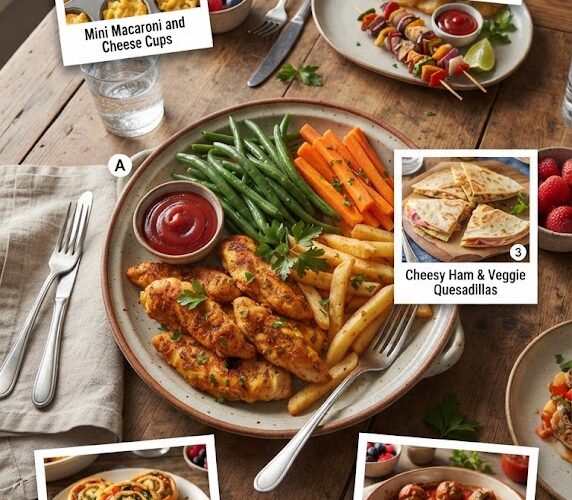
Getting the whole family to agree on dinner can feel like a daily challenge, especially when you have a picky eater at the table. One child wants plain pasta, another refuses anything green, and someone else suddenly decides that their favorite meal from last week is no longer acceptable. The good news is that family meals do not have to become a battle.
The best family meals for picky eaters are simple, familiar, customizable, and packed with foods kids already enjoy. Instead of preparing a completely different dinner for every person, you can build meals around flexible ingredients that allow children to choose what goes on their plate.
The following 18 easy family meals for picky eaters are designed for busy American families looking for quick, affordable, kid-friendly dinner ideas. They include familiar favorites such as tacos, pasta, chicken, pizza, rice bowls, quesadillas, and burgers while leaving plenty of room to introduce fruits and vegetables in a low-pressure way.
According to the USDA, picky eating is common among young children, particularly around ages 2 to 5. The USDA recommends offering the same foods to the whole family, giving children appropriate choices, involving kids in meal preparation, and making family mealtimes enjoyable.
The American Academy of Pediatrics also recommends regularly offering foods children enjoy alongside foods they are still learning to like. A child may need repeated exposure to a new food before accepting it, so one rejected vegetable does not mean it should disappear from the menu forever.
Why These Family Meals Work for Picky Eaters
Picky eaters often prefer foods with predictable flavors, textures, colors, and shapes. A complicated casserole with several unfamiliar ingredients may immediately turn them away, while a simple plate of chicken, rice, fruit, and a familiar dipping sauce can feel much more approachable.
These recipes use a few helpful strategies:
- Familiar ingredients
- Simple flavors
- Customizable toppings
- Separate components when possible
- Kid-friendly textures
- Quick preparation
- Affordable grocery-store ingredients
- Opportunities to add vegetables
- Family-style serving
- Leftover-friendly meals
The goal is not to force children to eat foods they dislike. Instead, parents can offer nutritious choices and allow children to decide what and how much they eat from what is served. The AAP emphasizes a low-pressure approach and recommends avoiding mealtime battles.
USDA MyPlate also encourages families to offer foods from different food groups, including fruits, vegetables, grains, protein foods, and dairy or fortified soy alternatives.
1. Build-Your-Own Chicken Tacos
Chicken tacos are one of the easiest family dinners because everyone can make a plate they actually want to eat.
Start with cooked chicken seasoned with mild taco seasoning. Warm soft tortillas and place the ingredients in separate bowls. Offer shredded cheese, lettuce, diced tomatoes, avocado, corn, mild salsa, plain Greek yogurt, and sliced cucumber.
A picky eater can make a very simple chicken-and-cheese taco, while other family members can add plenty of vegetables and toppings.
Easy ingredients
- Cooked shredded chicken
- Soft flour or corn tortillas
- Shredded cheese
- Lettuce
- Corn
- Tomatoes
- Avocado
- Mild salsa
- Plain Greek yogurt
Picky-eater tip
Keep toppings separate instead of mixing everything together. Children often feel more comfortable when they can clearly see each ingredient.
2. Cheesy Chicken Quesadillas
Quesadillas are an excellent option for children who prefer crispy, cheesy foods.
Place shredded cooked chicken and cheese between two tortillas and cook in a skillet until golden and crisp. Cut the quesadilla into triangles and serve with fruit, cucumber slices, avocado, or a mild dipping sauce.
For adults, you can add peppers, onions, black beans, or salsa. For picky eaters, keep the filling simple.
Easy variations
Try:
- Chicken and cheese
- Cheese and black beans
- Turkey and cheese
- Cheese and corn
- Chicken, cheese, and avocado
Quesadillas also make excellent leftovers for lunch.
3. Hidden-Veggie Spaghetti
Spaghetti is a classic kid-friendly dinner, and it can easily become a more balanced family meal.
Prepare your favorite tomato pasta sauce and blend cooked carrots, zucchini, pumpkin, or bell peppers into the sauce. The result is a smooth sauce with familiar flavor and texture.
Serve it over spaghetti or another pasta shape your family enjoys.
For children who dislike mixed foods, keep some plain pasta available and allow them to add sauce themselves.
Make it a complete meal
Serve spaghetti with:
- Turkey meatballs
- Grilled chicken
- Steamed vegetables
- Fresh fruit
- Whole-grain bread
The USDA recommends varying vegetables and using them in dishes such as pasta, soups, and stews.
4. Homemade Mini Chicken Burgers
Mini burgers are fun because their small size feels manageable for children.
Use lean ground chicken or turkey to make small patties. Cook thoroughly and place them on mini whole-grain buns. Serve toppings separately.
Offer:
- Cheese
- Lettuce
- Tomato
- Pickles
- Avocado
- Ketchup
- Yogurt-based sauce
For picky eaters, start with a plain chicken burger and one familiar side such as apple slices or roasted potatoes.
You can also turn the meal into a build-your-own burger night. Children can assemble their own burgers, which gives them a sense of control without requiring parents to prepare separate meals.
5. Crispy Baked Chicken Tenders
Chicken tenders are a reliable favorite for many kids. Instead of deep-frying them, make a simple baked version at home.
Cut chicken breast into strips, coat with seasoned breadcrumbs, and bake until cooked through and crisp.
Serve with a dipping sauce such as:
- Ketchup
- Honey mustard
- Yogurt ranch
- Barbecue sauce
Add easy sides such as roasted sweet potato wedges, cucumber slices, corn, strawberries, or apple slices.
The dipping sauce can make vegetables more approachable too. A child who refuses plain carrots may be willing to taste carrot sticks with a familiar dip.
6. Homemade Pizza Night
Pizza night is perfect for families because everyone can customize their own portion.
Use naan, English muffins, pita bread, tortillas, or homemade dough as the base. Add pizza sauce and mozzarella cheese, then let everyone choose toppings.
Popular choices include:
- Pepperoni
- Chicken
- Mushrooms
- Olives
- Bell peppers
- Corn
- Pineapple
- Tomatoes
For picky eaters, start with cheese pizza and gradually introduce one new topping at a time.
Make pizza night interactive
Set up a topping station and let children assemble their own pizzas. The USDA encourages involving children in food preparation because hands-on participation can make them more interested in food.
7. Creamy Chicken Pasta
Creamy chicken pasta is comforting, filling, and easy to customize.
Cook pasta and combine it with cooked chicken and a simple creamy sauce made with milk, cream cheese, or another family favorite. Add peas or finely chopped vegetables if your child accepts them.
For a picky eater, serve the pasta and chicken separately if mixed textures are a problem.
Easy add-ins
- Peas
- Broccoli
- Spinach
- Carrots
- Corn
- Parmesan cheese
A small amount of a new ingredient is often less intimidating than a large serving.
8. Breakfast-for-Dinner
Breakfast foods are not just for mornings. A breakfast-themed dinner can be one of the easiest ways to satisfy different preferences.
Serve:
- Scrambled eggs
- Whole-grain toast
- Pancakes
- Fresh berries
- Banana slices
- Yogurt
- Turkey sausage
- Hash browns
Children can choose a few items from the table instead of being expected to eat one complicated dish.
For a balanced family meal, combine protein, grains, fruit, and dairy or fortified alternatives where appropriate.
9. Chicken and Rice Bowls
Rice bowls are easy to customize and excellent for families with different tastes.
Start with cooked rice and add sliced chicken. Put toppings in separate bowls so everyone can create their own combination.
Try:
- Corn
- Shredded carrots
- Cucumber
- Avocado
- Edamame
- Cheese
- Mild sauce
- Pineapple
A picky eater might choose only chicken and rice, while other family members can build a bowl filled with vegetables and additional toppings.
Rice bowls are also excellent for meal prep because leftover chicken and rice can be transformed into another meal the next day.
10. Grilled Cheese and Tomato Soup
A warm grilled cheese sandwich with tomato soup is an easy comfort-food dinner.
Use whole-grain bread if your family enjoys it, and fill the sandwich with cheddar, mozzarella, or another mild cheese.
If your child dislikes tomato soup, serve the grilled cheese with fruit, cucumber slices, or a small portion of another familiar side.
For adults, add herbs, roasted vegetables, or a side salad.
Picky-eater advantage
The sandwich and soup remain separate, allowing children to interact with each food independently.
11. Turkey Meatballs With Pasta
Meatballs are easy to prepare in batches and can be served in several different ways.
Make homemade turkey meatballs using ground turkey, breadcrumbs, egg, and mild seasonings. Bake them until fully cooked.
Serve with:
- Spaghetti
- Rice
- Mashed potatoes
- Pasta
- Garlic bread
- Steamed vegetables
If your child does not like tomato sauce, serve the meatballs plain with a dipping sauce.
You can also freeze extra cooked meatballs for another busy weeknight.
12. DIY Sandwich Night
A sandwich bar can turn an ordinary dinner into a fun family activity.
Place bread, tortillas, wraps, and fillings on the table. Let everyone assemble their own meal.
Options include:
- Turkey
- Chicken
- Ham
- Cheese
- Avocado
- Cucumber
- Lettuce
- Tomato
- Shredded carrots
- Apple slices
Children who dislike sandwiches can make a deconstructed plate with the ingredients served separately.
This approach is especially helpful for children who are sensitive to mixed textures.
13. Mild Chicken Stir-Fry With Rice
Stir-fry does not have to be spicy or complicated.
Cook chicken with mild seasoning and serve it with rice. Keep vegetables separate or use only one vegetable your child already accepts.
Good beginner vegetables include:
- Sweet corn
- Carrots
- Peas
- Bell peppers
- Broccoli
Serve the sauce on the side for children who prefer plain food.
Adults can add extra sauce, chili flakes, or spicy toppings after serving.
14. Loaded Baked Potatoes
Baked potatoes are naturally customizable.
Bake potatoes until soft, then place toppings on the table:
- Shredded cheese
- Plain Greek yogurt
- Cooked chicken
- Turkey bacon
- Corn
- Broccoli
- Avocado
- Chives
A picky eater can simply choose potato and cheese while the rest of the family builds a loaded potato.
This is also a budget-friendly dinner because potatoes can stretch a small amount of protein across several servings.
15. Homemade Mac and Cheese With Optional Vegetables
Mac and cheese is a classic comfort food that many children already enjoy.
Make a simple homemade cheese sauce and combine it with pasta. To increase variety, serve vegetables separately rather than automatically mixing them into the dish.
Try:
- Peas
- Steamed broccoli
- Sweet corn
- Carrot sticks
- Cucumber slices
For children who reject vegetables, simply keep offering small portions alongside familiar foods without turning the meal into a negotiation.
The AAP recommends continuing to offer previously rejected foods because children may need repeated exposure before accepting them.
16. Easy Chicken and Cheese Roll-Ups
Chicken roll-ups are quick enough for busy weeknights.
Spread a tortilla with a thin layer of cream cheese or another mild spread, add cooked shredded chicken and cheese, then roll tightly. Slice into small pinwheels.
Serve with fruit and vegetables.
Filling ideas
- Chicken and cheddar
- Turkey and mozzarella
- Chicken and avocado
- Cheese and corn
These roll-ups can also be packed for lunch the next day.
17. Simple Homemade Sloppy Joes
Sloppy Joes can be made with ground turkey or lean ground beef and a mild tomato-based sauce.
Serve the meat mixture on small buns and offer toppings separately.
For picky eaters, keep the sauce mild and avoid adding large chunks of vegetables. Adults can add onions, peppers, pickles, or hot sauce to their own portions.
Serve with:
- Baked potato wedges
- Apple slices
- Corn
- Cucumber
- Simple green salad
18. Family-Friendly Taco Rice Skillet
A taco rice skillet combines familiar flavors in one easy dinner.
Cook ground turkey or lean beef with mild taco seasoning. Add cooked rice, corn, black beans, and a small amount of cheese.
For children who dislike mixed dishes, reserve some plain rice and meat before combining the ingredients.
Serve toppings separately:
- Cheese
- Avocado
- Tomato
- Lettuce
- Corn
- Sour cream or Greek yogurt
- Mild salsa
This meal is especially useful on busy nights because it can be prepared in one pan.
How to Make Family Meals Easier for Picky Eaters
The recipes are only part of the solution. The way food is served can make a major difference.
Always Include One Familiar Food
One of the simplest strategies is to include at least one food your child already likes.
For example, if you’re serving chicken tacos, your child’s familiar food might be tortillas. With spaghetti, it might be pasta. With a rice bowl, it might be plain rice.
This gives children something predictable while they are exposed to other foods.
The AAP recommends including at least one food the child likes at meals and allowing the child to choose what and how much to eat from the foods offered.
Avoid Making a Completely Separate Dinner
It can be tempting to make chicken nuggets for one child, pasta for another, and tacos for everyone else. While occasional flexibility is perfectly reasonable, constantly preparing separate meals can make family dinners exhausting.
Instead, build meals that can easily be customized.
For example, taco night allows one person to eat chicken and cheese while another enjoys chicken, lettuce, tomato, avocado, and salsa.
Everyone is eating the same basic meal, but each person has some control.
Give Kids Small Portions
Large servings of unfamiliar food can feel overwhelming.
Start with small portions. A single strawberry, a few cucumber slices, one bite of broccoli, or a teaspoon of a new side dish may be enough.
The AAP notes that child-sized portions can help children accept new foods and suggests starting small and allowing children to ask for more if they are still hungry.
Let Children Help
Children are more likely to become interested in food when they participate in choosing and preparing it.
Depending on age, children can:
- Wash fruits and vegetables
- Stir ingredients
- Measure ingredients
- Sprinkle cheese
- Assemble tacos
- Add pizza toppings
- Set the table
- Choose between two vegetables
- Help pack leftovers
USDA MyPlate encourages children to participate in food preparation and grocery shopping as age-appropriate activities.
Don’t Turn Dinner Into a Battle
One of the most important picky-eater strategies is reducing pressure.
Instead of saying, “You have to eat your broccoli,” try saying, “You can decide whether you’d like to try some.”
The goal is to create a positive relationship with food.
Children may reject a food today and accept it several weeks later. That does not necessarily mean the food needs to be permanently removed.
Make Meals Colorful
Visual appeal can make ordinary meals more exciting.
Try serving:
- Red strawberries
- Orange carrots
- Yellow corn
- Green cucumber
- Purple grapes
- Blueberries
You can also use cookie cutters to make sandwiches into fun shapes or arrange fruit into simple patterns.
The AAP recommends using eye appeal and interesting shapes as one way to make food more attractive to children.
Easy Side Dishes for Picky Eaters
You don’t need complicated side dishes to make a family dinner complete.
Keep a rotation of easy options such as:
- Apple slices
- Banana
- Strawberries
- Blueberries
- Grapes cut appropriately for young children
- Cucumber
- Sweet corn
- Roasted potatoes
- Carrot sticks
- Peas
- Yogurt
- Whole-grain bread
Offering variety across the week can help children become familiar with different foods.
USDA MyPlate recommends offering foods from the major food groups and choosing nutrient-rich foods while limiting added sugars, saturated fat, and sodium.
A Simple 7-Day Family Dinner Plan
If planning dinner every night feels overwhelming, use these 18 meals as a flexible rotation.
Monday
Chicken tacos with corn and fruit.
Tuesday
Cheesy chicken quesadillas with cucumber and strawberries.
Wednesday
Hidden-veggie spaghetti with turkey meatballs.
Thursday
Homemade mini chicken burgers with potato wedges.
Friday
Homemade pizza with fruit.
Saturday
Chicken and rice bowls with customizable toppings.
Sunday
Baked chicken tenders with vegetables and fruit.
The following week, rotate in breakfast-for-dinner, grilled cheese and tomato soup, turkey meatballs, baked potatoes, mac and cheese, chicken roll-ups, Sloppy Joes, and taco rice skillet.
Meal planning can reduce stress, particularly on busy nights. USDA recommends planning meals ahead and including quick dishes or leftovers for especially busy days.
How to Save Money on Family Meals
Feeding a family can become expensive, but picky-eater meals do not have to rely on expensive specialty products.
Buy versatile ingredients that can be used in several recipes.
For example:
Chicken: tacos, quesadillas, pasta, rice bowls, sandwiches, and roll-ups.
Cheese: quesadillas, pizza, grilled cheese, burgers, pasta, and potatoes.
Rice: rice bowls, taco rice skillet, chicken and rice, and leftovers.
Fruit: breakfast, dinner sides, lunchboxes, and snacks.
Ground turkey: burgers, meatballs, and Sloppy Joes.
Buying ingredients that work across multiple meals can reduce food waste and simplify grocery shopping.
Frozen vegetables can also be useful because they are convenient, easy to store, and can be added to many family meals.
Meal Prep Tips for Busy Families
A little preparation on the weekend can make weeknight dinners much easier.
Cook a batch of chicken and store it safely in the refrigerator for meals such as tacos, quesadillas, pasta, and rice bowls.
You can also:
- Cook rice ahead of time.
- Wash fruits and vegetables.
- Shred cheese.
- Prepare taco toppings.
- Freeze cooked meatballs.
- Portion snacks.
- Prepare pizza toppings.
- Keep tortillas in the freezer.
- Make a simple homemade sauce.
Having a few prepared ingredients available can turn dinner into an assembly job rather than a full cooking project.
How to Encourage Kids to Try New Foods
Introducing new foods does not have to happen at every meal.
Choose one familiar meal and add a very small amount of something new.
For example:
Familiar: Chicken and rice
New: One cucumber slice
Or:
Familiar: Mac and cheese
New: Two peas
Or:
Familiar: Cheese quesadilla
New: A small serving of avocado
The AAP explains that children may need repeated exposure to a food before they learn to like it, with some children needing 15 to 20 exposures.
Don’t measure success only by whether the child eats the new food. Touching it, smelling it, licking it, or taking one bite can all be steps toward becoming comfortable with it.
Make Family Mealtime Enjoyable
Dinner doesn’t have to be perfect.
Some nights may involve leftovers. Other nights may be sandwiches or breakfast-for-dinner.
The important thing is creating a relaxed opportunity for everyone to eat together when possible.
The AAP notes that shared family meals can support healthy habits and recommends making family meals practical rather than striving for perfection.
Try putting phones and tablets away during meals and using the time to talk about everyone’s day.
Ask simple questions such as:
- What was the funniest thing that happened today?
- What was your favorite part of school?
- What would you like to do this weekend?
- What food should we make next?
These small conversations can help turn dinner into family time rather than simply another task.
Frequently Asked Questions
What are the best family meals for picky eaters?
Some of the easiest options include tacos, quesadillas, homemade pizza, chicken tenders, pasta, burgers, rice bowls, grilled cheese, meatballs, and breakfast-for-dinner. Meals that allow children to customize their plates are particularly useful.
How do I get a picky eater to eat family meals?
Offer the same basic meal to the family while including at least one food the child already enjoys. Let the child decide what and how much to eat from the available options, and avoid pressure or arguments.
What should I cook when my child refuses everything?
Keep the meal simple and offer at least one familiar food alongside the other foods. If the child refuses the meal, avoid immediately turning the situation into a second custom dinner. Regular meal and snack routines can help establish predictability.
How many times should I offer a food my child doesn’t like?
Don’t assume one refusal means your child will never like it. Repeated exposure can help children become familiar with new foods. The AAP notes that some children may need many exposures before accepting a food.
Are these meals suitable for toddlers?
Many of these ideas can be adapted for toddlers, but preparation and serving size should be age-appropriate. Foods should be cut and prepared in ways that reduce choking risks. For individual nutrition or feeding concerns, consult your child’s pediatrician.
How can I make healthy food more appealing?
Use colorful ingredients, fun shapes, small portions, dipping sauces, and build-your-own meals. Let children participate in shopping and food preparation when appropriate.
Final Thoughts
Finding easy family meals for picky eaters doesn’t require cooking completely different dinners every night. The most practical approach is to serve familiar foods alongside nutritious options and give children some control over what they choose from the meal.
Tacos, quesadillas, pizza, chicken tenders, pasta, burgers, rice bowls, meatballs, baked potatoes, and breakfast-for-dinner are all flexible enough to work for families with different preferences.
Remember that picky eating can be a normal part of childhood. Keep mealtimes calm, continue offering a variety of nutritious foods, involve children in meal preparation, and avoid turning every bite into a negotiation.
Most importantly, focus on progress rather than perfection. One new bite today may eventually become a favorite food tomorrow.
If you have concerns about your child’s growth, nutrition, feeding behavior, allergies, or ability to eat a sufficient variety of foods, speak with your child’s pediatrician or a registered dietitian.