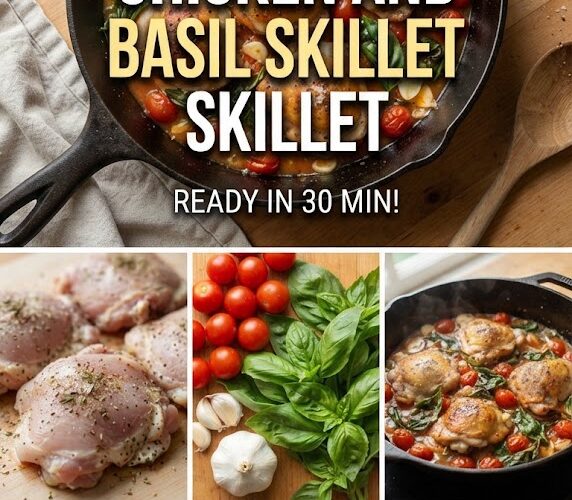
In the fast-paced world of modern American cooking, the quest for a meal that balances health, flavor, and speed is never-ending. Enter the Chicken and Basil Skillet. This dish is not just a recipe; it is a culinary lifesaver. Whether you are a busy parent trying to get a nutritious meal on the table in under 30 minutes, a fitness enthusiast looking for a high-protein, low-carb dinner, or a home cook wanting to impress guests with minimal effort, this dish delivers on every front.
The beauty of the chicken and basil skillet lies in its simplicity. It relies on the marriage of succulent protein and the aromatic, peppery sweetness of fresh basil. When combined with garlic, high-quality olive oil, and perhaps a splash of bright acidity from lemon or balsamic vinegar, it creates a flavor profile that is both comforting and sophisticated.
Why the Chicken and Basil Skillet is a Modern Classic
The popularity of one-pan meals has skyrocketed in the USA over the last decade. The reasons are clear: less cleanup, integrated flavors, and efficiency. The Chicken and Basil Skillet fits perfectly into this trend, offering a Mediterranean-inspired profile that aligns with the “clean eating” movements popular from California to New York.
Basil, the “King of Herbs,” provides more than just flavor. It offers an aromatic complexity that dried herbs simply cannot match. When paired with chicken—a versatile and lean canvas—the result is a dish that feels light yet satisfying.
Choosing Your Ingredients: The Foundation of Flavor
To achieve a restaurant-quality result at home, you must start with the best possible ingredients. Because this recipe uses so few components, the quality of each one is magnified.
1. The Protein: Chicken Breasts vs. Chicken Thighs
- Chicken Breasts: These are the traditional choice for those watching their calorie and fat intake. To keep them juicy in a skillet, they should be sliced into thin cutlets or even bite-sized pieces.
- Chicken Thighs: Many chefs prefer boneless, skinless thighs for skillet meals. They have a higher fat content, which makes them more forgiving—they won’t dry out as easily as breasts and they offer a richer, deeper flavor.
2. The Star of the Show: Fresh Basil
Do not reach for the dried basil in your spice rack. This dish demands fresh leaves.
- Sweet Basil: The most common variety found in US grocery stores. It has a rounded leaf and a sweet, slightly clove-like aroma.
- Thai Basil: If you want to take the dish in a Southeast Asian direction, Thai basil offers a sturdier leaf and a spicy, anise-like flavor.
- Pro Tip: Always add half of your basil during the last minute of cooking and the other half as a garnish to maximize both cooked and fresh herbal notes.
3. The Fat: Olive Oil and Butter
A combination of extra virgin olive oil and a small knob of unsalted butter provides the best of both worlds: the high smoke point and health benefits of oil with the rich, velvety finish of butter.
4. Aromatics: Garlic and Shallots
Garlic is non-negotiable. Use fresh cloves rather than the pre-minced jars for a sharper, cleaner bite. Shallots add a subtle sweetness that onions can’t quite replicate, bridging the gap between garlic and the main protein.
The Science of the Perfect Sear
The key to a successful skillet dish is the “Maillard Reaction”—the chemical reaction between amino acids and reducing sugars that gives browned food its distinctive flavor.
- Dry Your Chicken: Use paper towels to pat the chicken completely dry before it hits the pan. Moisture is the enemy of a good sear; if the chicken is wet, it will steam rather than brown.
- Don’t Overcrowd the Pan: If you put too much chicken in the skillet at once, the temperature of the pan will drop, and the juices will release, causing the meat to boil in its own liquid. Cook in batches if necessary.
- High Initial Heat: Start with a medium-high heat. You want to hear a loud sizzle the moment the meat touches the oil.
Step-by-Step Instructions: The Master Recipe
This version of the Chicken and Basil Skillet is designed to be versatile, serving as a base for many variations.
Ingredients:
- 1.5 lbs Boneless, skinless chicken (thighs or breasts), cut into 1-inch pieces.
- 2 cups Fresh basil leaves, loosely packed.
- 4 cloves Garlic, minced.
- 1 large Shallot, finely diced.
- 1 cup Cherry tomatoes, halved (optional, for color and acidity).
- 2 tbsp Extra virgin olive oil.
- 1 tbsp Unsalted butter.
- 1/2 tsp Crushed red pepper flakes (optional).
- Kosher salt and freshly cracked black pepper to taste.
- 1 tbsp Fresh lemon juice or Balsamic glaze.
Instructions:
Phase 1: Preparation
Season the chicken pieces generously with salt and pepper. Allow them to sit at room temperature for about 10 minutes. This ensures even cooking. Prepare all your vegetables and herbs beforehand; skillet cooking happens fast, and you won’t have time to chop once the heat is on.
Phase 2: The Sear
Heat the olive oil in a large (12-inch) skillet over medium-high heat. Once the oil is shimmering, add the chicken in a single layer. Let it cook undisturbed for 3-4 minutes to develop a golden-brown crust. Flip and cook for another 3 minutes until nearly cooked through. Remove the chicken from the skillet and set it aside on a plate.
Phase 3: Aromatics and Deglazing
Lower the heat to medium. In the same pan (don’t wash out those flavorful brown bits!), add the butter. Once melted, toss in the shallots and cook for 2 minutes until translucent. Add the garlic and red pepper flakes, sautéing for just 30 seconds until fragrant. If using cherry tomatoes, add them now and cook until they just begin to burst.
Phase 4: Combining and Finishing
Return the chicken and any accumulated juices to the skillet. Toss everything together. Turn off the heat. This is crucial: the residual heat is enough to wilt the basil without turning it black or bitter. Fold in the fresh basil leaves and drizzle with lemon juice or balsamic glaze.
Variations to Keep Your Palate Excited
While the classic version is spectacular, the Chicken and Basil Skillet is a template that invites creativity. Here are four ways to transform the dish.
1. The Creamy Tuscan Basil Skillet
For a more indulgent meal, you can turn the pan juices into a rich sauce. After sautéing the garlic, add 1/2 cup of heavy cream and 1/4 cup of grated Parmesan cheese. Let it simmer until thickened before adding the chicken and basil back in. This version pairs exquisitely with fettuccine or crusty sourdough bread.
2. The Spicy Thai-Inspired Basil Chicken (Pad Krapow Style)
To pivot to Asian flavors, swap the olive oil for vegetable oil. Use Thai basil instead of sweet basil. Replace the lemon juice with a sauce made of 1 tbsp soy sauce, 1 tbsp oyster sauce, and 1 tsp sugar. Serve this over jasmine rice with a crispy fried egg on top for an authentic experience.
3. The Mediterranean Vegetable Skillet
Add more bulk and nutrients by incorporating zucchini ribbons, bell peppers, and artichoke hearts. Sauté these vegetables after the chicken is removed but before adding the garlic. This version is a “garden in a pan” and is perfect for late summer when produce is at its peak.
4. The Caprese Skillet
Take the classic salad and turn it into a warm meal. Follow the master recipe, but in the final minute, top the chicken with slices of fresh mozzarella or “bocconcini” (small mozzarella balls). Cover the skillet with a lid for 60 seconds to melt the cheese, then finish with a heavy drizzle of balsamic reduction and the fresh basil.
Nutritional Profile: Why This Dish Wins
In a world of processed foods, the Chicken and Basil Skillet stands out as a whole-food powerhouse.
- High Protein: Essential for muscle repair and satiety. A standard serving provides approximately 35-40 grams of protein.
- Low Carbohydrate: Naturally keto-friendly and paleo-compliant. By skipping the pasta and serving it with greens or cauliflower rice, it fits perfectly into a low-carb lifestyle.
- Rich in Antioxidants: Basil contains essential oils like eugenol, citronellol, and linalool, which have anti-inflammatory and antibacterial properties.
- Healthy Fats: Using olive oil provides monounsaturated fats, which are heart-healthy and help the body absorb fat-soluble vitamins.
Expert Tips for the Home Chef
To truly master this dish, consider these professional nuances:
The Importance of the Skillet Material
- Cast Iron: Excellent for getting a deep, crusty sear on the chicken. It holds heat beautifully but requires careful maintenance.
- Stainless Steel: The preferred choice for “fond” (the brown bits). Stainless steel allows for better deglazing, which creates a more flavorful pan sauce.
- Non-Stick: Good for beginners, but you won’t get the same level of browning or flavor development.
Slicing the Basil: The Chiffonade Technique
Don’t just chop your basil haphazardly. To maintain the bright green color and prevent bruising, use the “chiffonade” method. Stack the leaves, roll them tightly like a cigar, and slice across the roll to create thin, elegant ribbons.
Deglazing 101
If your pan looks “burnt” after searing the chicken, don’t worry! Those brown bits are concentrated flavor. When you add your liquid (lemon juice, splash of white wine, or chicken broth), use a wooden spoon to scrape those bits up. This creates an instant, sophisticated sauce.
Pairing Suggestions: Completing the Meal
A great main course deserves equally impressive side dishes.
Starchy Accompaniments
- Orzo with Lemon and Herbs: The small, rice-like pasta soaks up the juices from the skillet perfectly.
- Garlic Mashed Potatoes: For a comfort-food twist.
- Quinoa or Farro: These ancient grains add a nutty texture and extra fiber.
Vegetable Sides
- Roasted Asparagus: Simple, clean, and quick to cook while the chicken is searing.
- Arugula Salad: The peppery bite of arugula with a simple lemon vinaigrette complements the sweetness of the basil.
- Sautéed Spinach: A fast way to add more volume to the plate without many calories.
Wine Pairing
- Sauvignon Blanc: The herbal notes in the wine mirror the basil.
- Pinot Grigio: A light, crisp choice that won’t overwhelm the delicate chicken.
- Rosé: A dry Provence-style rosé is a wonderful companion for Mediterranean skillet dishes, especially if tomatoes are involved.
Meal Prep and Storage
The Chicken and Basil Skillet is an excellent candidate for meal prep because it reheats surprisingly well.
- Storage: Keep leftovers in an airtight container in the refrigerator for up to 4 days.
- Reheating: To prevent the chicken from becoming rubbery, reheat it in a skillet over low heat with a tablespoon of water or broth. Cover with a lid to create steam, which keeps the meat moist.
- Freezing: While you can freeze the cooked chicken, the fresh basil will lose its texture and turn black upon thawing. If you plan to freeze this dish, add the fresh basil only after reheating.
Common Mistakes to Avoid
- Using Dried Basil: We cannot stress this enough. Dried basil has a minty, hay-like flavor that does not suit this dish. If you can’t find fresh basil, consider using fresh parsley or oregano instead, but change the name!
- Overcooking the Garlic: Garlic burns quickly and becomes bitter. Always add it toward the end of the aromatic sautéing phase, and never leave it unattended.
- Crowding the Pan: As mentioned before, if you want that golden-brown deliciousness, give the chicken its space.
- Adding Basil Too Early: Heat destroys the delicate oils in basil. Adding it too early results in a loss of flavor and a dull appearance.
Frequently Asked Questions (FAQ)
Can I use frozen chicken?
Yes, but ensure it is completely thawed and patted dry. Frozen chicken often contains extra water weight; if not drained properly, it will prevent searing.
Is this dish gluten-free?
Absolutely. As long as you ensure your spices and any added broth are certified gluten-free, the base recipe is naturally safe for those with celiac disease or gluten sensitivities.
What if I don’t have a skillet?
A large sauté pan or even a wide pot will work, but a heavy-bottomed skillet provides the best heat distribution for searing.
Can I use other herbs?
While the recipe centers on basil, a combination of basil, parsley, and a touch of mint can create a “Gremolata” style flavor that is also delicious.
How do I make this kid-friendly?
Most kids love the simple flavors of chicken and garlic. If they are sensitive to “green things,” chop the basil very finely or serve it on the side so they can decide how much they want. Skip the red pepper flakes to keep the heat at zero.
The Cultural Significance of One-Pan Cooking
The rise of the “Skillet Dinner” in American culture reflects a broader shift toward valuing home-cooked meals that don’t require hours of labor. Historically, “fricassee” or “hash” were the ancestors of the modern skillet meal. However, the Chicken and Basil Skillet takes these concepts and elevates them using fresh, Mediterranean ingredients. It represents the “New American” kitchen—one that is globally inspired, health-conscious, and respects the integrity of fresh produce.
By mastering this one dish, you gain the confidence to experiment with other flavor profiles. The techniques used here—searing, sautéing aromatics, and finishing with fresh herbs—are the building blocks of professional cooking.
Final Thoughts: Simplicity is Sophistication
The Chicken and Basil Skillet proves that you don’t need a long list of ingredients or complex techniques to create a memorable meal. By focusing on the quality of your chicken, the freshness of your basil, and the precision of your sear, you can produce a dinner that rivals your favorite bistro.
This dish is a celebration of the senses. It’s the sound of the sizzle, the vibrant green of the chiffonade basil against the golden chicken, and the intoxicating aroma that fills your kitchen. It is, quite simply, the perfect weeknight meal.
Whether you are cooking for a family of four or prepping your lunches for the week, the Chicken and Basil Skillet is a recipe you will return to time and time again. It is a testament to the fact that when we treat simple ingredients with respect, the results are nothing short of extraordinary. Grab your skillet, find the freshest bunch of basil you can, and get cooking!