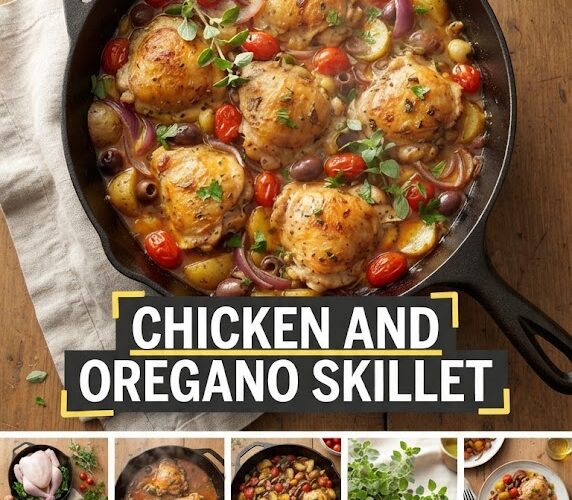
The sizzle of a hot pan, the intoxicating aroma of earthy herbs, and the promise of a succulent, protein-packed meal—few things in the culinary world are as universally beloved as a perfectly executed chicken skillet. Among the pantheon of one-pan wonders, the Chicken and Oregano Skillet stands as a titan of flavor, simplicity, and nutritional density.
This dish is more than just a quick weeknight dinner; it is a celebration of Mediterranean tradition, a masterclass in searing technique, and a testament to the power of high-quality, minimalist ingredients. In this comprehensive guide, we will dive deep into the world of the oregano-infused chicken skillet, exploring everything from the science of the Maillard reaction to the historical roots of its star herb. Whether you are a novice home cook or a seasoned chef, this exploration will provide you with the tools to create a restaurant-quality meal in the comfort of your own kitchen.
Why the Skillet Method Rules the Kitchen
Before we get into the specifics of chicken and oregano, we must understand the vessel: the skillet. Unlike roasting in an oven or boiling in a pot, skillet cooking offers a unique combination of conductive and radiant heat.
1. Superior Texture and the Maillard Reaction
When you cook chicken in a heavy-bottomed skillet, you are facilitating the Maillard reaction. This chemical reaction between amino acids and reducing sugars gives browned food its distinctive flavor. By searing chicken over medium-high heat, you create a golden-brown crust that locks in juices while developing complex, savory notes that cannot be achieved through poaching or slow cooking.
2. Flavor Concentration through Deglazing
One of the greatest advantages of a skillet is the “fond”—those caramelized brown bits stuck to the bottom of the pan after searing the meat. In a chicken and oregano skillet, these bits are packed with concentrated essence. By adding a liquid like lemon juice, chicken stock, or white wine, you release this flavor back into a pan sauce, ensuring every bite is infused with depth.
3. Efficiency and Easy Cleanup
In today’s fast-paced world, the “one-pan” appeal cannot be overstated. By cooking the proteins, aromatics, and sauce in a single skillet, you minimize cleanup while ensuring that the flavors of each component meld together harmoniously.
Oregano: The Heartbeat of the Dish
While chicken provides the canvas, oregano is the paint. Known in Greek as origanos, which translates to “joy of the mountain,” this herb has been a staple of Mediterranean cooking for millennia.
The Science of Oregano’s Flavor
Oregano contains high concentrations of carvacrol and thymol, organic compounds that give it its pungent, slightly bitter, and woody flavor profile. When heated, these oils are released, permeating the chicken fat and creating a fragrant base for the entire dish.
Fresh vs. Dried: Which Should You Use?
- Dried Oregano: Interestingly, oregano is one of the few herbs that often tastes better dried than fresh for long-simmered dishes. The drying process concentrates the oils, making it more potent. It stands up well to the high heat of a skillet.
- Fresh Oregano: Fresh leaves are more delicate and citrusy. They are best used as a finishing touch or added toward the end of the cooking process to provide a bright, herbaceous pop.
Mediterranean vs. Mexican Oregano
It is a common mistake to use these interchangeably. Mediterranean oregano (part of the mint family) is sweet and earthy, perfect for this skillet dish. Mexican oregano (part of the verbena family) has citrus and licorice notes and is better suited for chili or tacos. For this recipe, stick to the Mediterranean variety.
Selecting the Right Chicken
Not all chicken is created equal. The success of your skillet depends heavily on the cut you choose.
Chicken Thighs: The Flavor King
Most culinary experts recommend bone-in, skin-on chicken thighs for a skillet preparation. The higher fat content in thighs keeps the meat moist even under high heat, and the skin provides that essential “crunch” factor. The bone also acts as a heat conductor, helping the meat cook evenly from the inside out.
Chicken Breasts: The Lean Alternative
If you prefer white meat, chicken breasts can certainly work, but they require more care. Because they are leaner, they can dry out quickly. To master the chicken breast skillet, consider “butterflying” the meat (slicing it thin) or using a meat mallet to ensure even thickness. This allows for a quick sear without overcooking the center.
The Importance of Tempering
Regardless of the cut, never take chicken straight from the fridge to the pan. Let it sit at room temperature for about 15–20 minutes. Cold meat hits a hot pan and causes the muscle fibers to tense up, leading to a tougher texture. Tempering ensures a more uniform cook.
The Master Recipe: Lemon, Garlic, and Oregano Chicken Skillet
This recipe serves as the foundational “Gold Standard” for this dish. It balances the earthiness of oregano with the brightness of citrus and the pungency of garlic.
Ingredients
- Chicken: 4 bone-in, skin-on chicken thighs (or 2 large breasts, halved).
- Oregano: 2 tablespoons dried Mediterranean oregano (plus fresh sprigs for garnish).
- Garlic: 5 cloves, smashed and minced.
- Lemon: 1 large lemon (half sliced into rounds, half juiced).
- Fats: 2 tablespoons extra virgin olive oil and 1 tablespoon unsalted butter.
- Liquid: 1/2 cup low-sodium chicken broth or dry white wine (Sauvignon Blanc works well).
- Seasoning: Kosher salt and freshly cracked black pepper.
- Optional: Red pepper flakes for a hint of heat.
Step-by-Step Instructions
1. Preparation and Seasoning
Pat the chicken extremely dry with paper towels. This is the most important step for a good sear—moisture is the enemy of browning. Season generously on both sides with salt, pepper, and half of the dried oregano. Press the spices into the skin so they adhere.
2. The Sear
Heat the olive oil in a large cast-iron or stainless steel skillet over medium-high heat. Once the oil shimmers (but before it smokes), place the chicken skin-side down. Do not move it. Let it sear for 6–8 minutes until the skin is deep golden brown and releases easily from the pan. Flip and cook for another 4–5 minutes. Remove chicken to a plate (it won’t be fully cooked yet).
3. Aromatics and Deglazing
Lower the heat to medium. Add the butter to the remaining chicken fat. Toss in the minced garlic and red pepper flakes. Sauté for just 60 seconds until fragrant. Pour in the chicken broth or wine, using a wooden spoon to scrape up all the brown bits (the fond) from the bottom of the pan.
4. The Simmer
Stir in the remaining dried oregano and the lemon juice. Place the chicken back into the skillet, nestled among the lemon slices.
5. Finishing
Cover the pan and reduce heat to low. Let it simmer for 10–15 minutes, or until the internal temperature of the chicken reaches 165°F (74°C). The sauce should reduce slightly, becoming a glossy glaze.
6. The Rest
Remove from heat and let the chicken rest in the pan for 5 minutes. This allows the juices to redistribute through the meat, ensuring every bite is moist. Garnish with fresh oregano leaves and an extra zest of lemon.
Advanced Techniques for the Perfect Skillet
To elevate your Chicken and Oregano Skillet from “good” to “extraordinary,” consider these professional tips.
The Cold-Pan Method (For Skin-On)
Some chefs prefer starting skin-on chicken in a cold skillet and then turning on the heat. This allows the fat to render out more slowly, resulting in an incredibly crispy, glass-like skin. If you have the time, this technique is a game-changer.
Using a Weight
If you want a perfectly flat, evenly browned skin, place a heavy press or another smaller skillet on top of the chicken pieces during the initial sear. This ensures maximum surface contact with the heat.
Brining
If you are using chicken breasts, consider a “dry brine.” Salt the chicken 2 hours before cooking and leave it uncovered in the fridge. This changes the protein structure, allowing the meat to hold onto more moisture during the high-heat skillet process.
Flavor Variations to Keep it Fresh
The beauty of the Chicken and Oregano Skillet is its versatility. Once you master the base recipe, you can experiment with different regional profiles.
1. The Greek Goddess Skillet
Add Kalamata olives, marinated artichoke hearts, and cherry tomatoes during the simmering stage. Top with crumbled feta cheese and fresh dill right before serving. This version is a salty, tangy explosion of flavor.
2. The Creamy Tuscan Twist
After deglazing the pan, add 1/2 cup of heavy cream and a handful of chopped sun-dried tomatoes and spinach. The oregano cuts through the richness of the cream, creating a sophisticated sauce that begs for a side of pasta.
3. The Spicy Calabrian Skillet
Incorporate Calabrian chili paste or chopped cherry peppers with the garlic. The heat of the peppers complements the woody notes of the oregano perfectly. This version is popular in Southern Italian home cooking.
4. The Mushroom and Thyme Hybrid
While oregano is the star, it plays well with others. Add sliced cremini or shiitake mushrooms to the pan after the chicken is removed. Sauté until the mushrooms are browned and have released their moisture, then proceed with the sauce.
The Best Side Dishes for Chicken and Oregano
A great entree deserves equally impressive companions. Here is how to round out your meal:
Grains and Starches
- Lemon Herb Orzo: This rice-shaped pasta mimics the Mediterranean theme. Toss it with olive oil, parsley, and a bit of the skillet sauce.
- Crispy Smashed Potatoes: Roast small gold potatoes, smash them flat, and finish them in the oven. They are perfect for soaking up the oregano-garlic butter sauce.
- Polenta: A creamy bed of cornmeal provides a soft contrast to the crispy chicken skin.
Vegetables
- Roasted Asparagus: Keep it simple with salt, pepper, and a squeeze of lemon.
- Garlic Sautéed Kale: The bitterness of the greens balances the savory fat of the chicken thighs.
- Mediterranean Salad: A fresh mix of cucumbers, tomatoes, red onions, and a light vinaigrette cleanses the palate between bites.
Health Benefits: Why This Dish is a Nutritional Powerhouse
The Chicken and Oregano Skillet isn’t just delicious; it’s incredibly healthy, fitting into various dietary lifestyles like Keto, Paleo, and the Mediterranean Diet.
High-Quality Protein
Chicken is a lean source of essential amino acids, which are crucial for muscle repair and immune function. By using the skillet method, you avoid the heavy breading and deep-frying found in other chicken preparations.
The Power of Oregano
Oregano is a medicinal powerhouse. It is rich in antioxidants and has been shown to have antimicrobial properties. Carvacrol, the primary compound in oregano, has been studied for its potential anti-inflammatory effects.
Healthy Fats
By using extra virgin olive oil (EVOO) as your primary cooking fat, you are incorporating monounsaturated fatty acids, which are heart-healthy. EVOO also helps the body absorb fat-soluble vitamins (A, D, E, and K) present in the meal.
Common Mistakes to Avoid
Even the simplest dishes have pitfalls. Avoid these common errors to ensure skillet success:
- Overcrowding the Pan: If you put too many chicken pieces in the skillet at once, the temperature will drop, and the chicken will steam instead of sear. Cook in batches if necessary.
- Using a Non-Stick Pan for Searing: While non-stick pans are great for eggs, they don’t produce the same quality of fond or crust as cast iron or stainless steel.
- Adding Garlic Too Early: Garlic burns easily. Always add it after the chicken has been seared and the heat has been slightly reduced. Burnt garlic is bitter and will ruin the sauce.
- Not Reducing the Sauce: If your sauce is too watery, the flavor will be diluted. Let it simmer until it coats the back of a spoon.
Storing, Reheating, and Meal Prep
This dish is a meal prepper’s dream because the flavors actually improve as they sit.
Storage
Store leftovers in an airtight container in the refrigerator for up to 4 days. Make sure to pour all the remaining pan sauce over the chicken to keep it moist.
Reheating
To preserve the texture, avoid the microwave if possible. Instead, place the chicken and sauce back in a skillet over low heat. Add a splash of water or broth, cover, and steam until warmed through. This prevents the chicken from becoming rubbery.
Freezing
You can freeze the cooked chicken and sauce for up to 3 months. Thaw overnight in the refrigerator before reheating.
The Cultural Significance of One-Pan Cooking
The Chicken and Oregano Skillet is a descendant of the rustic, “peasant-style” cooking of the Mediterranean coast. In regions like Crete, Sicily, and the Peloponnese, cooking was traditionally done using whatever was fresh and available.
Oregano grows wild on the hillsides of these regions, and chickens were a common backyard livestock. The one-pan method was born of necessity—limited fuel for fires and a need for efficiency. Today, we embrace this style of cooking not out of necessity, but because it represents a “slow food” philosophy: using high-quality, whole ingredients and simple techniques to create something greater than the sum of its parts.
Frequently Asked Questions (FAQ)
Can I make this with frozen chicken?
It is highly recommended to thaw the chicken completely before cooking. Frozen chicken releases a significant amount of water as it thaws in the pan, which prevents searing and results in a gray, unappealing texture.
What if I don’t have a cast-iron skillet?
A heavy-bottomed stainless steel pan or a Dutch oven will also work perfectly. The key is “heavy-bottomed,” which ensures even heat distribution and prevents hot spots that can burn your herbs.
Can I add wine to the sauce?
Absolutely. A dry white wine like Pinot Grigio or Sauvignon Blanc adds a sophisticated acidity that cuts through the fat of the chicken. Add it during the deglazing step and let it reduce by half before adding the broth.
Is this recipe gluten-free?
Yes! As long as you use a gluten-free chicken broth, this recipe is naturally gluten-free, low-carb, and keto-friendly.
Conclusion: Mastering the Art of the Skillet
The Chicken and Oregano Skillet is a culinary staple that every home cook should have in their repertoire. It bridges the gap between a quick Tuesday night meal and an elegant dinner party entree. By focusing on the quality of your chicken, the potency of your oregano, and the technique of your sear, you create a dish that is both comforting and sophisticated.
In a world of complex recipes and over-processed foods, there is something deeply satisfying about returning to the basics. The combination of heat, fat, and herbs in a single pan creates a symphony of flavor that resonates across cultures and generations. So, grab your skillet, pat that chicken dry, and let the aroma of oregano fill your home. Your journey to Mediterranean mastery starts now.
Recipe Summary Table
| Step | Action | Key Tip |
|---|---|---|
| Prep | Dry chicken, season with salt, pepper, oregano. | Dry skin is essential for crispiness. |
| Sear | Skin-side down in hot oil for 6-8 mins. | Don’t flip too early; wait for the release. |
| Aromatics | Sauté garlic and butter. | Only 60 seconds to avoid burning. |
| Deglaze | Add broth/wine and lemon juice. | Scrape the bottom for the “fond.” |
| Simmer | Return chicken to pan, cover, and cook. | Use a thermometer to reach 165°F. |
| Finish | Rest for 5 minutes and garnish. | Resting keeps the meat juicy. |
Final Thoughts on Ingredient Quality
To truly excel with this dish, consider the sourcing of your ingredients.
By paying attention to these small details, you transform a simple chicken dinner into a gourmet experience. The Chicken and Oregano Skillet is a reminder that great cooking isn’t about how many ingredients you use, but how you use them. Enjoy the process, and more importantly, enjoy the delicious results.
- The Chicken: Look for “Air-Chilled” chicken. Most commercial chicken is chilled in water vats, which adds water weight and prevents the skin from getting truly crispy. Air-chilled chicken has a more concentrated flavor and superior skin texture.
- The Oil: Use a high-quality Extra Virgin Olive Oil. Since the oil forms the base of the sauce, its flavor will be prominent. Look for oils with a harvest date on the bottle to ensure freshness.
- The Salt: Use Kosher salt or sea salt rather than table salt. The larger grains make it easier to control the seasoning and provide a better “crust” on the meat.